


AMBLYOPIA (LAZY EYE)
Amblyopia (Lazy Eye) Treatment in Union, NJ
Amblyopia, often called lazy eye, develops when vision does not develop properly during childhood. A child may not recognize that one eye sees less clearly, making vision checks important even without complaints.
For amblyopia treatment in Union, NJ, Excel Eye Care & Laser Surgery Center provides evaluation and care. Identifying the cause and beginning appropriate treatment early can support a child’s visual development.
Board-Certified Ophthalmologist | Pediatric Ophthalmology | Amblyopia Care
What Is Amblyopia, and What Might Parents Notice?
Amblyopia is reduced vision caused by disrupted visual development during childhood. It usually affects one eye, although both eyes can be affected.
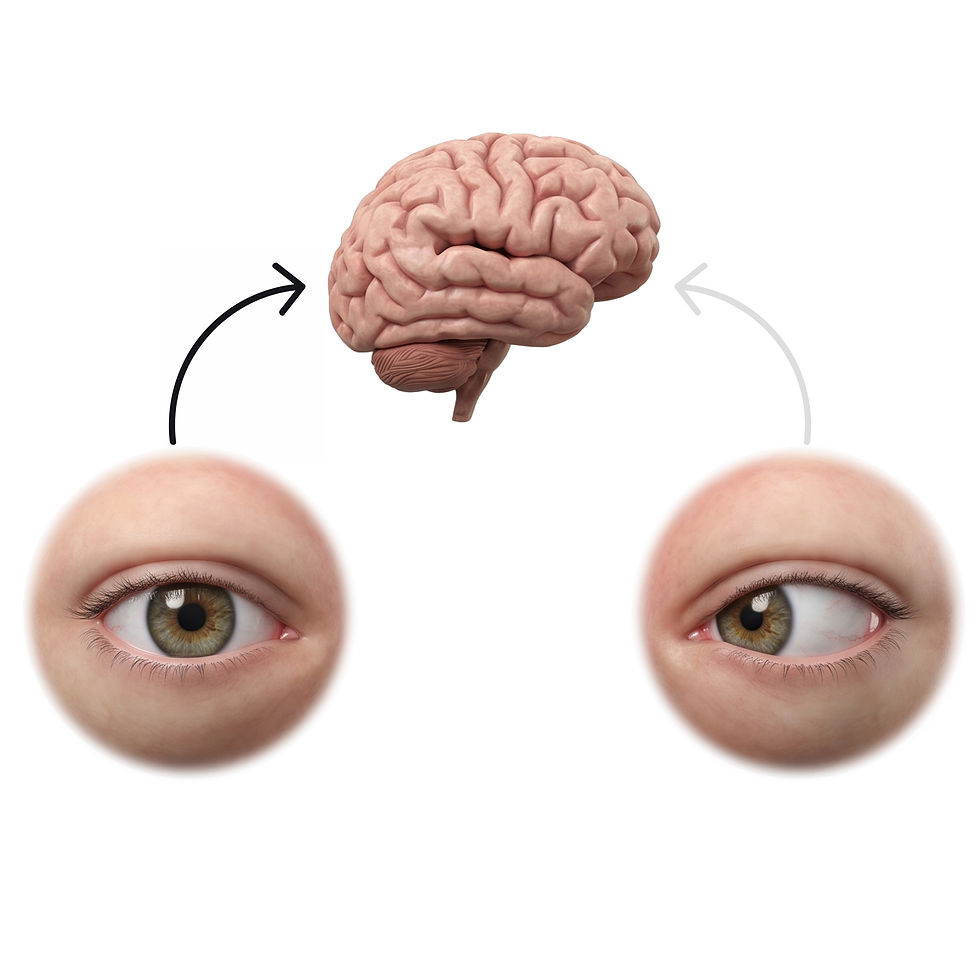
When one eye provides a less clear or misaligned image, the brain may rely more on the other eye. Vision in the less-used eye may then fail to develop normally.
An eye turning inward, outward, upward or downward
A drooping eyelid that blocks vision
A difference in vision identified during screening
Concerns raised by a parent, pediatrician or school
Concerns raised by a parent, pediatrician or school
Some children have no obvious outward signs. A child who sees well with both eyes open may still have reduced vision in one eye.
What Causes Amblyopia?
Amblyopia can develop when another condition interferes with clear vision during childhood. The underlying problem may affect eye alignment, focusing or the amount of light reaching the eye.
Common causes include:
Strabismus:
The eyes point in different directions, and the brain may suppress the image from one eye.
Unequal focusing errors:
One eye may have more nearsightedness, farsightedness or astigmatism than the other.
Childhood cataract:
A cloudy lens can prevent a clear image from reaching the retina.
A drooping eyelid:
An eyelid that obstructs vision can interfere with development.
When Should Your Child Be Evaluated?
Arrange an examination if a vision screening raises concerns or you notice an eye turn, an obstructing eyelid or another possible vision problem.
Early evaluation matters because vision develops during childhood. Do not wait for your child to complain: they may not know that their vision differs between eyes.
How Do the Eyes and Brain Learn to See Together?
Clear vision develops through repeated use of visual information from the eyes. During childhood, the brain learns to interpret these signals.
When One Image Is Less Clear
If one eye consistently sends a blurrier image, the brain may favor the clearer image from the other eye. This can happen even when both eyes appear straight.

Why Treating the Cause Matters
Glasses or treatment for an obstructing eye condition can improve the image available to the brain. However, correcting the underlying problem may not fully address established amblyopia.
Why the Weaker Eye May Need More Use
Patching or prescribed blurring of the stronger eye encourages the brain to use the weaker eye. Treatment supports visual development rather than physically strengthening the eye’s muscles.

How Is Amblyopia Diagnosed and Treated?
An ophthalmologist checks vision in each eye and looks for conditions that may interfere with development. Testing is adapted to the child’s age and ability to participate.
Diagnosis and Evaluation
Assessment may include:
-
Checking vision separately in each eye
-
Observing how a younger child follows an object
-
Checking eye alignment
-
Assessing focusing errors
-
Examining the eyes for cataracts or other problems
Treatment and Ongoing Management
Depending on the findings, treatment may involve:
-
Prescription glasses: Correcting focusing problems so the eyes receive clearer images.
-
Patching: Covering the stronger eye for a prescribed period to encourage use of the weaker eye.
-
Prescribed eye drops or optical blurring: Reducing clarity in the stronger eye when appropriate.
-
Treatment of an underlying condition: Surgery may be recommended for certain problems contributing to amblyopia.
-
Follow-up examinations: Measuring progress and adjusting treatment.
Important to Know
The treatment schedule depends on the child’s needs and response. Do not begin patching or use eye drops without medical instructions. If your child struggles with treatment, discuss this with the ophthalmologist rather than changing the plan yourself.
Amblyopia Treatment in Union, NJ
Excel Eye Care & Laser Surgery Center provides amblyopia care and pediatric ophthalmology in Union, New Jersey. Dr. Haberman is a board-certified ophthalmologist and graduate of New York Medical College.
An appointment can help clarify your child’s vision findings and care needs. Bring any available screening results and explain concerns raised at home or school.
Visit Excel Eye Care in Union
Excel Eye Care & Laser Surgery Center
2333 Morris Avenue, Suite C-103
Union, NJ 07083
908-688-4000
Serving Union, Union County, and surrounding New Jersey communities.