


LASER CATARACT SURGERY
CATARACT DIAGNOSTICS, CARE & SURGERY
A cataract forms when the eye’s natural lens becomes cloudy. Cataracts usually develop gradually and are most common with age, although diabetes, eye injuries, certain medications and other health factors may contribute.
Restore Clearer Vision with Personalized Cataract Care
Common cataract symptoms include:
-
Blurred or hazy vision
-
Glare or halos around lights
-
Difficulty driving at night
-
Poor vision in bright light
-
Faded or yellowed colors
-
Double vision in one eye
-
Frequent prescription changes
-
Difficulty reading or seeing fine details
A cataract forms when the eye’s natural lens becomes cloudy. Cataracts usually develop gradually and are most common with age, although diabetes, eye injuries, certain medications and other health factors may contribute.
Cataracts can make your vision cloudy, faded or increasingly difficult to manage—especially when reading, driving at night or seeing in bright light.
At Excel Eye Care & Laser Surgery Center in Union, NJ, board-certified ophthalmologist James Haberman, M.D., F.A.C.S., provides comprehensive cataract evaluations, traditional cataract surgery and advanced LenSx® laser cataract surgery.
Each procedure is planned around your eye health, prescription, astigmatism and everyday vision needs.
When Is Cataract Surgery Recommended?

Restore Clearer Vision with Personalized Cataract Care
Early cataract symptoms may sometimes be managed with an updated eyeglass prescription or improved lighting. However, surgery is the only treatment that removes a cataract.
You may be ready to consider cataract surgery when vision problems interfere with reading, driving, working or enjoying your normal activities. You do not need to wait until the cataract becomes “ripe.” The right time for surgery depends on how significantly it affects your vision and quality of life.

How Does Cataract Surgery Work?
During cataract surgery, Dr. Haberman removes the cloudy natural lens and replaces it with a clear artificial lens called an intraocular lens, or IOL.
The replacement lens is selected using detailed measurements of your eye. Depending on your vision, eye health and lifestyle, different IOL options may be considered to improve distance vision, address astigmatism or reduce dependence on glasses for certain activities.
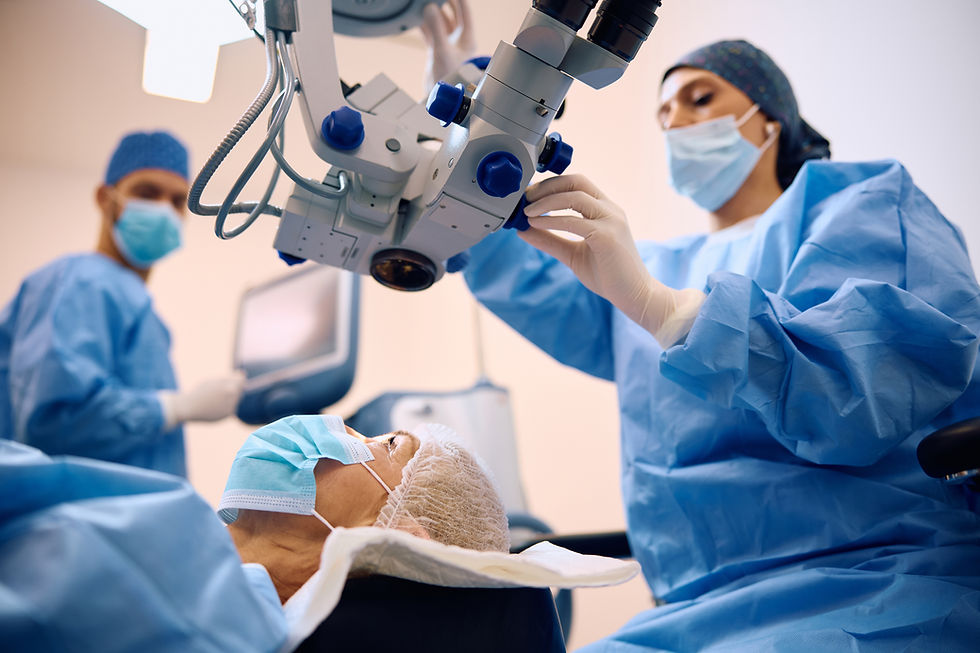
Femtosecond FLACS® Laser Assisted Cataract Surgery
Early cataract symptoms may sometimes be managed with an updated eyeglass prescription or improved lighting. However, surgery is the only treatment that removes a cataract.
You may be ready to consider cataract surgery when vision problems interfere with reading, driving, working or enjoying your normal activities. You do not need to wait until the cataract becomes “ripe.” The right time for surgery depends on how significantly it affects your vision and quality of life.